fashion is the expression of personal style, culture, and trends through clothing, footwear, accessories, hairstyles, makeup, and overall appearance. It reflects how people choose to present themselves and often changes over time based on social, cultural, artistic, and economic influences.
Fashion can include:
- Clothing: Shirts, dresses, jeans, suits, and traditional wear
- Footwear: Sneakers, boots, sandals, and formal shoes
- Accessories: Watches, bags, jewelry, belts, and sunglasses
- Beauty and Grooming: Hairstyles, makeup, and personal care
- Lifestyle and Trends: Seasonal styles, designer collections, and street fashion
Fashion serves several purposes:
- Self-expression: Showing personality and identity
- Cultural representation: Reflecting traditions and heritage
- Functionality: Providing comfort and protection
- Social influence: Following or creating trends
In simple terms, fashion is the way people express themselves through style and appearance. It can range from everyday casual wear to luxury designer clothing and constantly evolves with trends, culture, and individual creativity.
Fashion has evolved over thousands of years, reflecting changes in culture, society, technology, and art. The history of fashion tells the story of how people have expressed their identity, status, and creativity through clothing and personal style.
Ancient Fashion (3000 BCE – 500 CE)
The earliest forms of fashion appeared in ancient civilizations such as Ancient Egypt, Ancient Greece, and Ancient Rome.
- Egyptians wore linen garments and elaborate jewelry.
- Greeks favored draped garments like the chiton and himation.
- Romans introduced togas, tunics, and decorative accessories.
- Clothing often reflected social class, profession, and wealth.
Medieval Fashion (500–1500 CE)
During the Middle Ages, fashion became more structured and symbolic.
- Nobility wore luxurious fabrics such as silk, velvet, and fur.
- Long gowns, robes, cloaks, and head coverings became popular.
- Tailoring techniques improved, creating more fitted garments.
- Fashion was strongly influenced by religion and social hierarchy.
Renaissance Fashion (1400–1600)
The Renaissance brought artistic innovation and extravagant fashion.
- Rich fabrics, embroidery, and elaborate designs became common.
- Men wore doublets, hose, and decorated coats.
- Women wore corsets, layered gowns, and ornate accessories.
- Fashion became a symbol of wealth and political power.
17th–18th Century Fashion
European courts heavily influenced global fashion trends.
- Lavish clothing featuring lace, wigs, and embroidery became fashionable.
- Tailored coats and waistcoats emerged for men.
- Women’s dresses featured wide skirts and structured silhouettes.
- Fashion houses and textile industries expanded significantly.
Victorian Fashion (1837–1901)
During the reign of Queen Victoria, fashion became highly refined and formal.
- Women wore corsets, crinolines, and long dresses.
- Men adopted tailored suits and formal attire.
- Industrialization enabled mass production of clothing.
- Department stores and fashion magazines gained popularity.
Early 20th Century Fashion (1900–1940)
Fashion modernized rapidly during the early twentieth century.
- Women’s clothing became more practical and comfortable.
- The 1920s introduced flapper dresses and shorter hemlines.
- Men’s suits became simpler and more standardized.
- Hollywood celebrities began influencing global fashion trends.
Post-War Fashion (1950–1980)
After World War II, fashion entered a period of rapid innovation.
- The 1950s emphasized elegance and glamour.
- The 1960s introduced youth culture and experimental styles.
- The 1970s popularized disco, bohemian, and casual fashion.
- The 1980s featured bold colors, power dressing, and designer brands.
Modern Fashion (1990–Present)
Today’s fashion industry is global, digital, and highly diverse.
- Streetwear, luxury fashion, and sustainable fashion coexist.
- Social media and influencers shape trends worldwide.
- Fast fashion and e-commerce have transformed shopping habits.
- Personal expression and inclusivity have become central to modern fashion.
Major Fashion Eras Timeline
| Period | Key Fashion Characteristics |
|---|---|
| Ancient Era | Draped garments, jewelry, symbolic clothing |
| Medieval Era | Robes, cloaks, social-status fashion |
| Renaissance | Luxury fabrics, elaborate tailoring |
| Victorian Era | Corsets, formal wear, industrial production |
| Early 1900s | Practical clothing, Hollywood influence |
| 1950–1980 | Youth culture, designer fashion |
| 1990–Present | Streetwear, fast fashion, sustainability |
Today, fashion is one of the world’s largest creative industries, combining art, culture, technology, and commerce while continuously evolving with
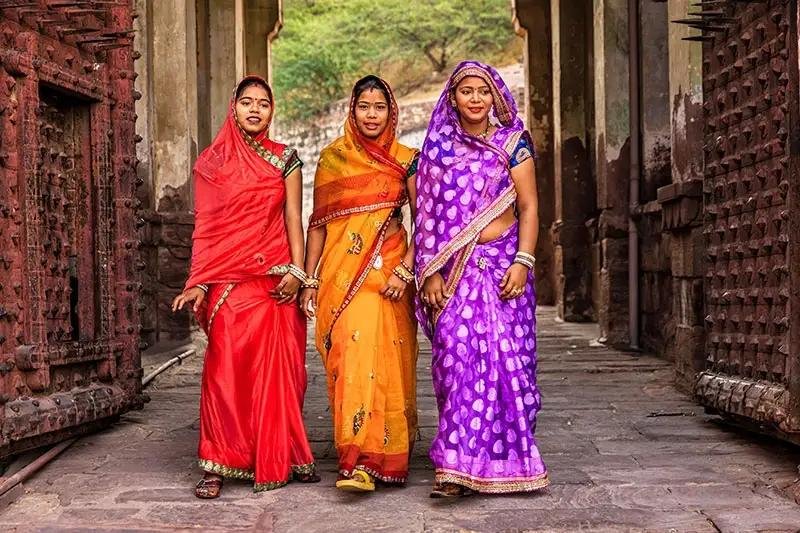
Fashion culture refers to the social, cultural, artistic, and lifestyle influences that shape how people dress and express themselves through clothing, accessories, and personal style. It reflects a society’s values, traditions, identity, and current trends.
Fashion culture is more than just wearing clothes—it is a form of communication and self-expression.
Key Elements of Fashion Culture
1. Personal Expression
People use fashion to express their personality, beliefs, emotions, and lifestyle. Clothing choices can communicate individuality, creativity, and social identity.
2. Cultural Identity
Fashion often reflects cultural traditions and heritage. Traditional garments, fabrics, and styles help preserve and celebrate cultural identities around the world.
3. Social Influence
Fashion trends are shaped by celebrities, designers, influencers, music, films, and social media platforms.
4. Art and Creativity
Fashion combines art, design, and craftsmanship through clothing design, textiles, accessories, and styling.
5. Lifestyle and Trends
Fashion culture changes over time based on social movements, technology, economic conditions, and consumer preferences.
Major Types of Fashion Culture
- Streetwear Culture – Casual, urban-inspired fashion influenced by youth culture.
- Luxury Fashion Culture – Designer brands, haute couture, and premium fashion.
- Traditional Fashion Culture – Cultural and ethnic clothing traditions.
- Sustainable Fashion Culture – Environmentally conscious and ethical fashion.
- Celebrity Fashion Culture – Trends inspired by public figures and entertainment.
- Digital Fashion Culture – Fashion influenced by social media and online communities.
Global Fashion Capitals
Several cities have played a major role in shaping global fashion culture:
- Paris – Known for haute couture and luxury fashion.
- Milan – Famous for craftsmanship and designer brands.
- New York City – Influential in commercial and street fashion.
- Tokyo – Renowned for innovative and youth-driven fashion.
Importance of Fashion Culture
Fashion culture:
- Encourages self-expression
- Preserves cultural heritage
- Influences art and entertainment
- Drives economic growth
- Creates global trends and communities
In simple terms, fashion culture is the way societies and individuals use clothing and style to express identity, creativity, tradition, and modern trends.
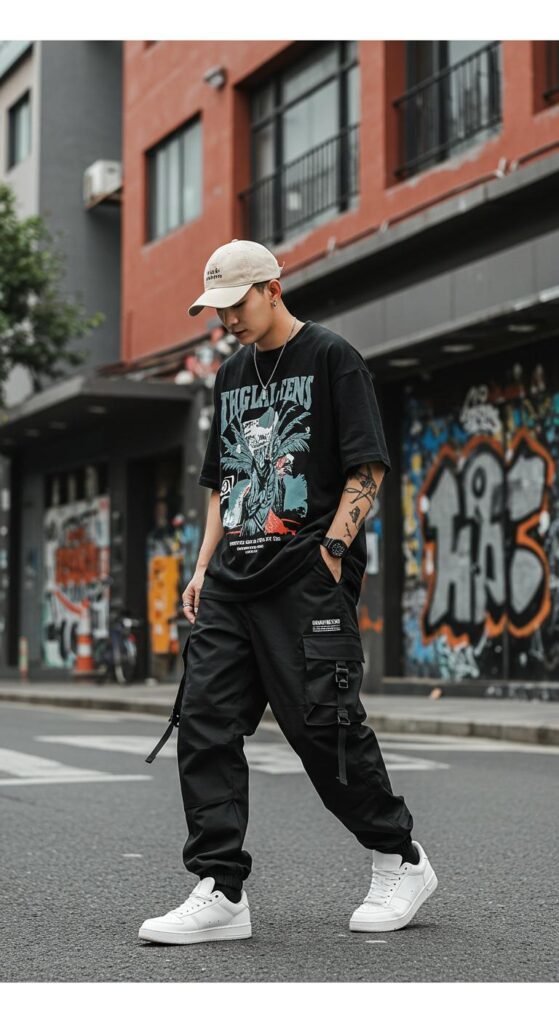
Fashion culture refers to the social, cultural, artistic, and lifestyle influences that shape how people dress and express themselves through clothing, accessories, and personal style. It reflects a society’s values, traditions, identity, and current trends.
Fashion culture is more than just wearing clothes—it is a form of communication and self-expression.
Key Elements of Fashion Culture
1. Personal Expression
People use fashion to express their personality, beliefs, emotions, and lifestyle. Clothing choices can communicate individuality, creativity, and social identity.
2. Cultural Identity
Fashion often reflects cultural traditions and heritage. Traditional garments, fabrics, and styles help preserve and celebrate cultural identities around the world.
3. Social Influence
Fashion trends are shaped by celebrities, designers, influencers, music, films, and social media platforms.
4. Art and Creativity
Fashion combines art, design, and craftsmanship through clothing design, textiles, accessories, and styling.
5. Lifestyle and Trends
Fashion culture changes over time based on social movements, technology, economic conditions, and consumer preferences.
Major Types of Fashion Culture
- Streetwear Culture – Casual, urban-inspired fashion influenced by youth culture.
- Luxury Fashion Culture – Designer brands, haute couture, and premium fashion.
- Traditional Fashion Culture – Cultural and ethnic clothing traditions.
- Sustainable Fashion Culture – Environmentally conscious and ethical fashion.
- Celebrity Fashion Culture – Trends inspired by public figures and entertainment.
- Digital Fashion Culture – Fashion influenced by social media and online communities.
Global Fashion Capitals
Several cities have played a major role in shaping global fashion culture:
- Paris – Known for haute couture and luxury fashion.
- Milan – Famous for craftsmanship and designer brands.
- New York City – Influential in commercial and street fashion.
- Tokyo – Renowned for innovative and youth-driven fashion.
Importance of Fashion Culture
Fashion culture:
- Encourages self-expression
- Preserves cultural heritage
- Influences art and entertainment
- Drives economic growth
- Creates global trends and communities
In simple terms, fashion culture is the way societies and individuals use clothing and style to express identity, creativity, tradition, and modern trends.
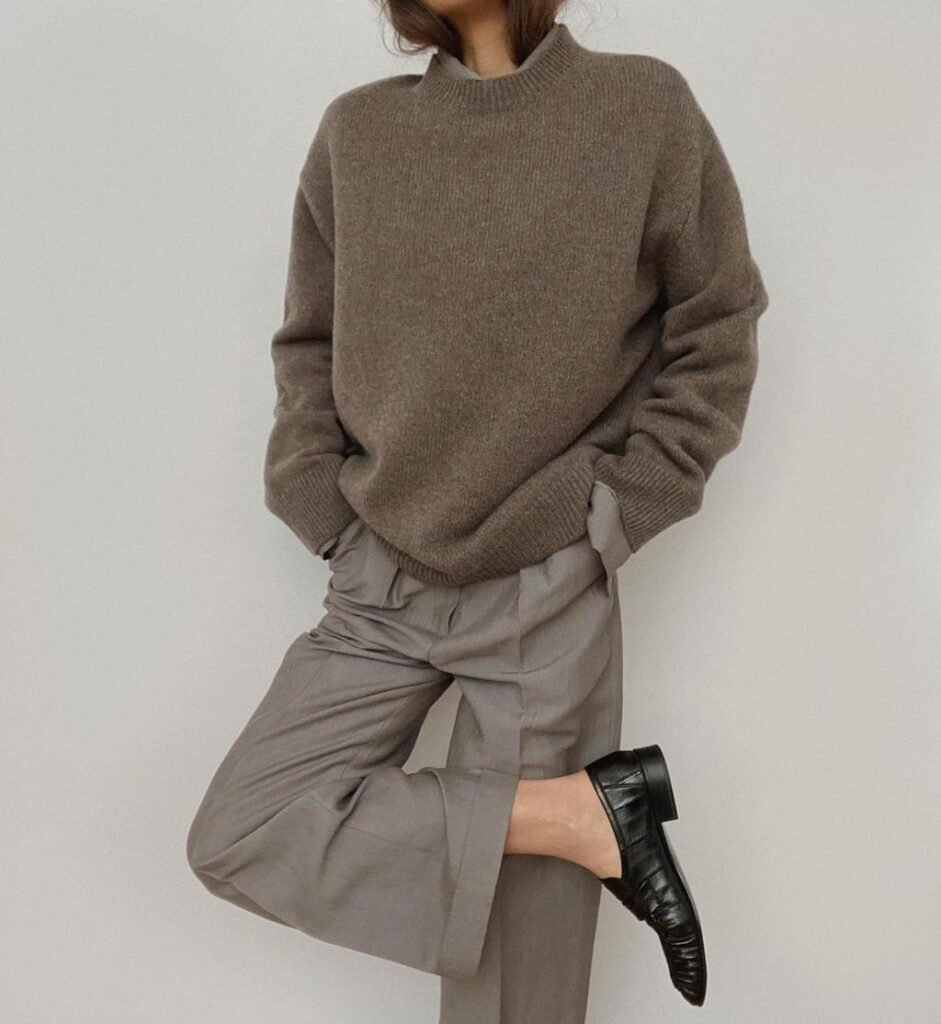
Fashion seasons are the periods during which fashion brands, designers, and retailers release new clothing collections based on weather conditions, consumer demand, and industry trends. These seasons help organize the fashion calendar and influence what styles, fabrics, and colors become popular throughout the year.
Main Fashion Seasons
1. Spring Fashion (March – May)
Spring fashion focuses on light, comfortable, and colorful clothing as temperatures begin to rise.
Popular items:
- Light jackets
- Dresses
- Shirts and blouses
- Denim
- Sneakers
- Floral prints
Common colors:
- Pastel shades
- Soft pink
- Sky blue
- Beige
- Light green
2. Summer Fashion (June – August)
Summer fashion emphasizes breathable fabrics and lightweight clothing.
Popular items:
- T-shirts
- Shorts
- Summer dresses
- Sandals
- Linen clothing
- Sunglasses
Common fabrics:
- Cotton
- Linen
- Rayon
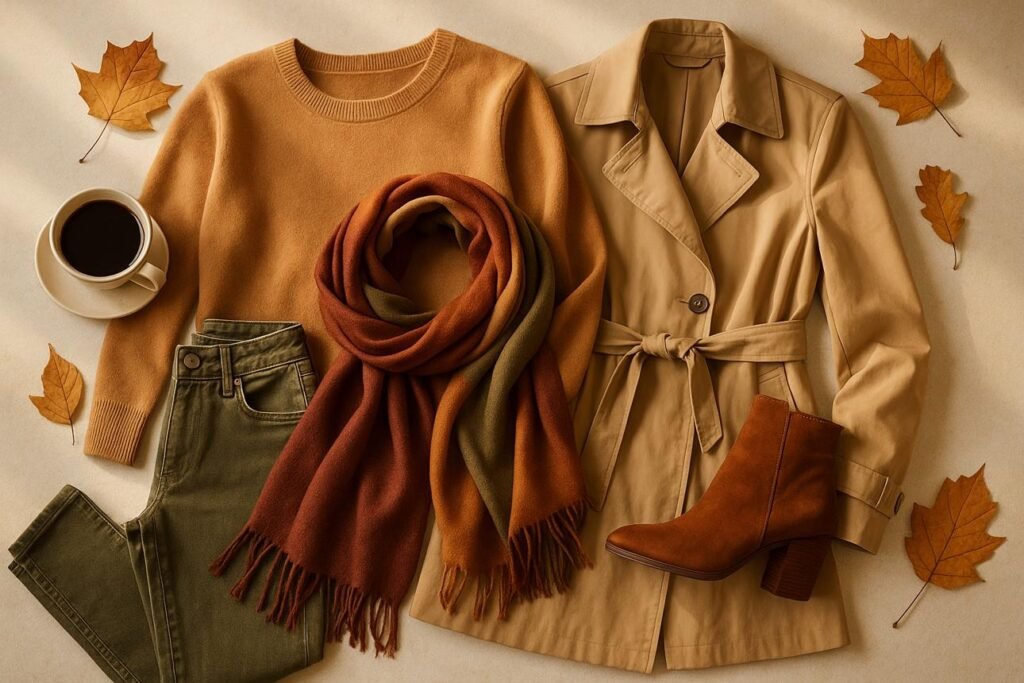
3. Autumn/Fall Fashion (September – November)
Fall fashion introduces layering and warmer textures.
Popular items:
- Hoodies
- Sweaters
- Denim jackets
- Boots
- Cardigans
- Trousers
Common colors:
- Brown
- Burgundy
- Olive green
- Mustard
- Beige
4. Winter Fashion (December – February)
Winter fashion focuses on warmth, layering, and outerwear.
Popular items:
- Coats
- Jackets
- Sweaters
- Scarves
- Boots
- Thermal wear
Common fabrics:
- Wool
- Cashmere
- Fleece
- Leather
Fashion Industry Seasons
Beyond weather-based seasons, the fashion industry follows specific collection calendars:
Spring/Summer (SS)
Collections launched for warmer months featuring lightweight fabrics, bright colors, and seasonal trends.
Autumn/Winter (AW or FW)
Collections designed for colder weather featuring heavier fabrics, layering pieces, and darker tones.
Resort/Cruise Collection
A mid-season collection designed for travel and vacation wear.
Pre-Fall Collection
Collections released before the main autumn season to bridge seasonal transitions.
Seasonal Fashion Trends
| Season | Popular Styles | Common Fabrics |
|---|---|---|
| Spring | Floral, casual, pastel | Cotton, denim |
| Summer | Lightweight, beachwear | Linen, cotton |
| Fall | Layered, earthy tones | Wool blends, denim |
| Winter | Outerwear, knitwear | Wool, fleece, leather |
Importance of Fashion Seasons
Fashion seasons help:
- Introduce new trends
- Meet changing weather needs
- Guide consumer shopping behavior
- Support fashion retail planning
- Influence global fashion events
Major fashion events such as the Paris Fashion Week, Milan Fashion Week, New York Fashion Week, and London Fashion Week showcase seasonal collections that influence global fashion trends.
In simple terms, fashion seasons are the scheduled periods when clothing styles, trends, and collections change according to weather, consumer demand, and industry planning.