
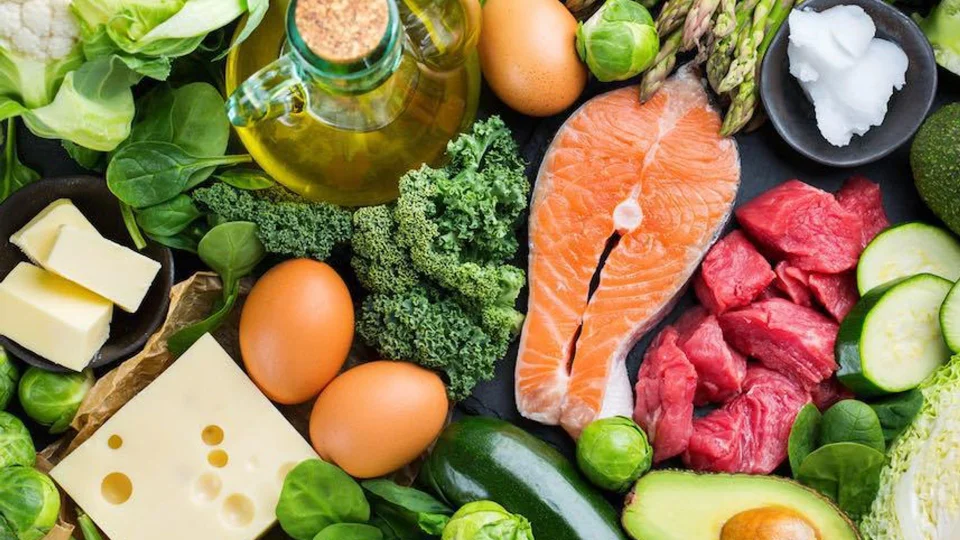
The seven best foods for glowing skin are avocados, fatty fish, sweet potatoes, tomatoes, berries, nuts and seeds, and leafy green vegetables. These foods are rich in vitamins, antioxidants, healthy fats, and minerals that support collagen production, skin hydration, elasticity, and protection against oxidative stress.
Healthy, radiant skin isn’t achieved through skincare products alone. The nutrients you consume every day play a major role in maintaining your skin’s structure, moisture, and natural glow. While no single food can transform your complexion overnight, a balanced diet rich in skin-supporting nutrients can improve your skin over time.
What Is Glowing Skin?
Glowing skin refers to skin that appears healthy, hydrated, smooth, and naturally radiant. Unlike oily skin, glowing skin has an even tone, good elasticity, and a well-functioning skin barrier.
Characteristics of healthy glowing skin include:
- Even skin tone
- Smooth texture
- Good hydration
- Natural radiance
- Minimal dryness or flaking
- Healthy elasticity
A nutritious diet, proper hydration, adequate sleep, and consistent skincare all contribute to achieving glowing skin.
Can Diet Improve Your Skin?
Yes. Your skin is your body’s largest organ and depends on nutrients from your diet to repair cells, produce collagen, maintain hydration, and protect itself from environmental damage.
Research suggests that diets rich in fruits, vegetables, healthy fats, and lean proteins support overall skin health, while diets high in added sugars and ultra-processed foods may contribute to inflammation and premature skin ageing.
Visible improvements typically take several weeks because skin cells naturally renew over time.
How Does Food Affect Skin?
Food supports several biological processes that influence your skin’s appearance.
Collagen Production
Vitamin C, protein, copper, and other nutrients help your body produce collagen, the structural protein that keeps skin firm and resilient.
Skin Hydration
Healthy fats help strengthen the skin barrier, reducing moisture loss and keeping skin soft.
Protection from Free Radicals
Antioxidants neutralise free radicals generated by pollution, UV exposure, and normal metabolism, helping reduce oxidative stress.
Reduced Inflammation
Omega-3 fatty acids and antioxidant-rich foods may help support normal inflammatory responses associated with healthy skin.
Skin Cell Renewal
Vitamins A, C, and several minerals contribute to normal skin cell turnover and repair.
Which Nutrients Are Essential for Healthy Skin?
Healthy skin depends on a combination of nutrients rather than a single “superfood”.
Vitamin A
Supports normal skin cell growth and renewal.
Found in: Sweet potatoes, carrots, spinach, kale.
Vitamin C
Essential for collagen formation and acts as an antioxidant.
Found in: Berries, tomatoes, citrus fruits, bell peppers.
Vitamin E
Helps protect skin cells from oxidative damage.
Found in almonds, sunflower seeds, and avocados.
Omega-3 Fatty Acids
Support skin barrier function and help maintain hydration.
Found in salmon, sardines, mackerel, walnuts, and flaxseeds.
Zinc
Supports wound healing and healthy skin maintenance.
Found in: Pumpkin seeds, seafood, legumes, nuts.
Selenium
Works with antioxidants to help protect cells from oxidative stress.
Found in: Brazil nuts, seafood, eggs.
1. Avocados
Avocados are rich in monounsaturated fats, vitamin E, vitamin C, and carotenoids.
Why are avocados good for skin?
They heThey help support:
- Skin hydration
- Elasticity
- Skin barrier function
- Protection against oxidative stress
Adding avocado to salads, toast, or smoothies is an easy way to include healthy fats in your diet.lp support:
2. Fatty Fish
Examples include:
- Salmon
- Sardines
- Mackerel
Is salmon good for glowing skin?
Yes. Fatty fish are excellent sources of omega-3 fatty acids, high-quality protein, vitamin D, and selenium.
These nutrients help:
- Maintain skin moisture
- Support collagen structure
- Reduce oxidative stress
- Promote healthy skin function
Aim for two servings of oily fish per week if it aligns with your dietary preferences and healthcare advice.
3. Sweet Potatoes
Sweet potatoes are one of the richest dietary sources of beta-carotene.
Does beta-carotene improve skin?
Beta-carotene is converted into vitamin A as needed by the body, supporting normal skin cell production and helping maintain healthy skin.
Roasted, baked, or mashed sweet potatoes are nutritious options.
4. Tomatoes
Tomatoes provide vitamin C, potassium, and lycopene.
Are tomatoes good for skin?
Yes. Lycopene is an antioxidant that helps protect skin cells from oxidative stress, while vitamin C supports collagen production.
Cooked tomatoes, such as those in sauces, can provide readily available lycopene.
5. Berries
Examples include:
- Blueberries
- Strawberries
- Raspberries
- Blackberries
Which berries are best for skin?
All berries are excellent choices because they are rich in vitamin C, anthocyanins, and other antioxidants.
Regular consumption may help:
- Support collagen formation
- Protect against free radicals
- Promote healthy skin aging
Fresh or frozen berries offer similar nutritional benefits.
6. Nuts and Seeds
Healthy options include:
- Almonds
- Walnuts
- Chia seeds
- Flaxseeds
- Sunflower seeds
Are almonds good for skin?
Yes. Almonds are rich in vitamin E, while walnuts provide omega-3 fats. Seeds contribute fibre, healthy fats, and important minerals.
Together, these nutrients help maintain skin hydration and support the skin barrier.
7. Leafy Green Vegetables
Top choices include:
- Spinach
- Kale
- Swiss chard
Does spinach help skin?
Leafy greens contain vitamins A, C, K, folate, iron, and plant antioxidants that support healthy skin maintenance.
Including leafy greens in salads, soups, smoothies, or cooked meals can increase your intake of these nutrients.
Other Foods That Support Healthy Skin
In addition to the seven foods above, consider including:
- Citrus fruits
- Bell peppers
- Carrots
- Cucumbers
- Green tea
- Yogurt
- Eggs
- Oats
- Papaya
- Kiwi
- Pomegranate
- Pumpkin seeds
- Olive oil
Eating a wide variety of colourful, minimally processed foods provides the broad range of nutrients your skin needs.
Which Foods May Harm Skin?
No single food causes skin problems for everyone, but some dietary patterns are associated with poorer skin health.
Examples include:
- Diets high in added sugars
- Ultra-processed foods
- Excess alcohol
- Foods high in trans fats
If you notice that certain foods consistently affect your skin, consider discussing this with a healthcare professional or registered dietitian.
Does Drinking Water Make Skin Glow?
Water is essential for overall health and helps maintain normal body functions, including skin hydration.
While drinking more water alone won’t eliminate dry skin if you’re already well hydrated, staying adequately hydrated supports healthy skin and complements a nutrient-rich diet.
You can also increase fluid intake through foods with high water content, such as cucumbers, watermelon, oranges, and strawberries.
Lifestyle Habits That Support Glowing Skin
Nutrition works best alongside healthy daily habits.
To support healthy skin:
- Get 7–9 hours of sleep each night.
- Exercise regularly.
- Wear sunscreen daily.
- Avoid smoking.
- Manage stress.
- Follow a consistent skincare routine.
- Eat a balanced diet rich in whole foods.
Healthy skin is the result of multiple lifestyle factors working together.
Frequently Asked Questions
Which vitamin makes skin glow?
There isn’t a single vitamin responsible for glowing skin. Vitamins A, C, and E each play important roles in skin health by supporting cell renewal, collagen production, and antioxidant protection.
Can one food make your skin glow overnight?
No. Skin changes occur gradually as skin cells renew. Consistently eating a balanced diet is more effective than relying on any single food.
Is chocolate bad for skin?
Current evidence doesn’t show that chocolate itself universally causes skin problems. However, diets high in added sugars and heavily processed foods may affect skin health in some people.
Are collagen supplements necessary?
Not necessarily. Many people can support collagen production through a balanced diet containing adequate protein and vitamin C. Whether supplements are appropriate depends on individual needs and should be discussed with a healthcare professional.
Which fruit is best for glowing skin?
There is no single best fruit. Berries, citrus fruits, kiwi, papaya, and pomegranate all provide vitamins and antioxidants that support healthy skin.
The best foods for glowing skin are those rich in vitamins, antioxidants, healthy fats, and minerals. Avocados, fatty fish, sweet potatoes, tomatoes, berries, nuts and seeds, and leafy greens provide nutrients that support collagen production, skin hydration, elasticity, and protection from oxidative stress.
Rather than focusing on one “miracle food”, aim for a varied diet filled with colourful fruits and vegetables, healthy fats, lean proteins, and whole grains. Combined with hydration, quality sleep, sun protection, and regular exercise, these dietary habits can help your skin look healthy and naturally radiant over time.